
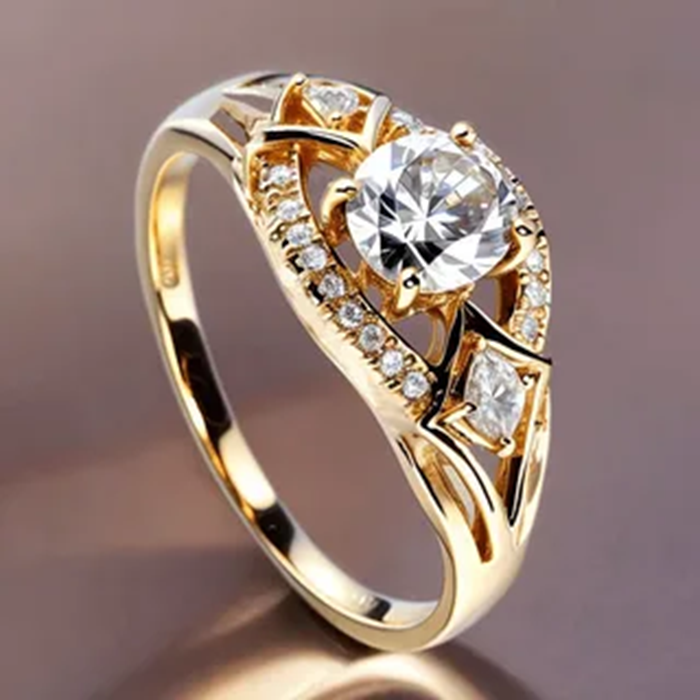
Valuing gold jewelry begins with understanding its fineness (purity), weight, and condition: the higher the purity and the more precise the measurements, the closer you get to the item’s objective value.
It is important to distinguish the actual value of the metal from markups for the brand, design, gemstone settings, and craftsmanship, as well as to consider the presence of hallmarks and documentation confirming the item’s origin and specifications.


Before buying or selling, compare current gold rates, have the item inspected by a reputable jeweler, and clarify the terms of the buyback or consignment sale to avoid losses from hidden fees. For those wishing to learn more and avoid common pitfalls, additional information about gold jewelry is available on the https://luxebrokersgroup.com/sell/jewelry/
Checking purity via hallmarks: where to look for marks and how to interpret the numbers
A purity hallmark is one of the quickest ways to make a preliminary assessment of a piece of gold jewelry without complex equipment. It indicates the proportion of precious metal in the alloy and helps distinguish between gold of different “karat” ratings and compositions.
It is important to remember that the presence of a hallmark does not always guarantee authenticity, nor does its absence necessarily indicate a fake; the mark might have worn off, been applied in very small print, or be located in an unusual spot. Therefore, it is best to combine a hallmark check with an inspection of the item’s overall condition and any other accompanying markings.
Where to look for hallmarks on jewelry
Hallmarks are usually placed where they are less visible when the jewelry is worn, yet remain intact longer without detracting from the item’s appearance.
Some items may bear multiple marks: the fineness mark, the manufacturer’s mark (maker’s mark), and sometimes additional service symbols.
- Rings: on the inside of the shank (often near the bottom).
- Chains and bracelets: near the clasp—on the jump ring, lobster claw, or connecting plate.
- Earrings: on the post, the wire/hook, or the clasp mechanism (lever-back, Italian style, etc.).
- Pendants and charms: on the bail (loop) or on the back near the attachment point.
- Brooches: on the back, near the pin or fastening mechanism.
If a mark is hard to read, try viewing it from different angles in good lighting; tiny hallmarks often stand out better in side lighting. Also, look at areas that experience less friction against skin or clothing, as the hallmark is better preserved there.
How to read fineness numbers and what they mean
Most often, fineness is indicated by numbers in the metric system: the figure shows how many parts of pure gold are contained in 1,000 parts of the alloy. The higher the number, the greater the gold content; however, durability and color also depend on the alloy composition (the additional metals used).
- 999: Almost pure gold (the highest fineness; rarely found in everyday jewelry).
- 958: High gold content; used for specific types of items.
- 750: 75% gold (often corresponds to 18K).
- 585: 58.5% gold (often corresponds to 14K).
- 500–375: Lower gold content (found in some jewelry; 375 corresponds to approximately 9K).
In addition to the metric fineness mark, you may sometimes encounter alphanumeric karat designations (e.g., 14K, 18K) or import marking formats. If an item bears multiple numbers, compare them: there is usually only one fineness mark, while a nearby mark might be the manufacturer’s stamp (maker’s mark); this does not indicate gold content but helps identify the maker.
If the numbers look uneven, appear “wobbly,” are placed in an unusual spot, or if other expected marks (such as the manufacturer’s stamp) are missing, you should examine the item more closely and verify its fineness through an additional check by a jeweler or at a pawn shop.